
Welcome to UConn Physics: Prof. Dmitri E. Kharzeev
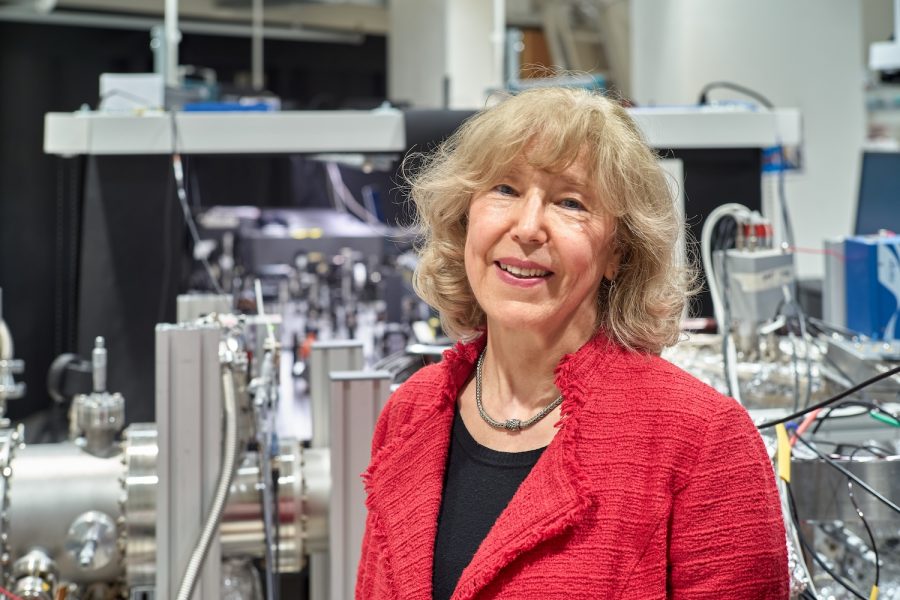
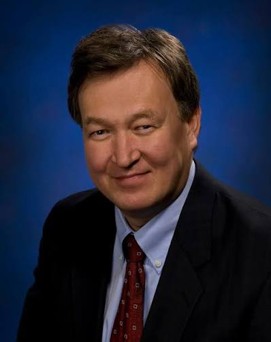
The UConn Physics Department is delighted to welcome Professor Dmitri Kharzeev in Fall 2026. Dmitri will be the Director of UConn’s new Quantum Institute, and a Professor in UConn Physics. He is a well known nuclear theorist who has also made significant contributions to condensed matter physics and AMO physics. He is moving to UConn […]
[Read More]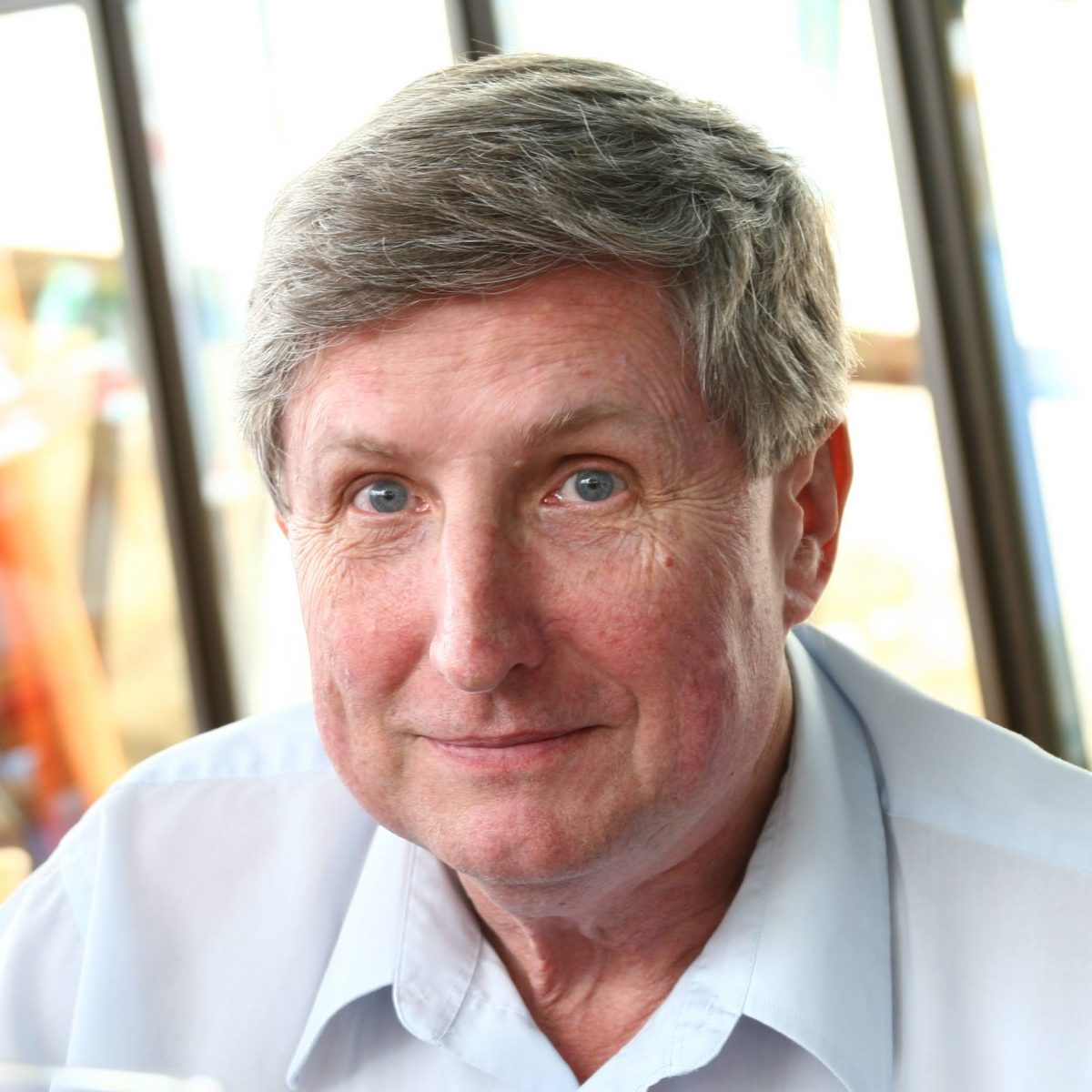
Professor William Stwalley: 1942-2025
Sadly, Board of Trustees Distinguished Professor Emeritus William C. Stwalley passed away in the Twin Cities of Minnesota on October 7, 2025 (his 83rd birthday), with his family by his side. After growing up in southern California, where he met his wife Mauricette, Bill received his undergraduate degree in chemistry from Caltech and his PhD in […]
[Read More]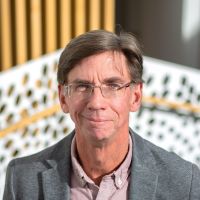
Department Head greeting
Dear Friends of UConn Physics, While I started last year’s greeting on a somewhat apprehensive note, I remained hopeful because of the deep strengths of our department. As it turns out, I am pleased to say that this has been a positively exciting year! My one-word summary last year was turbulent. This year I chose […]
[Read More]
UConn Physics Undergraduate Awarded Plasmonic Reactor Systems – UConn Summer Fellowship
Storrs, CT — The Department of Physics at the University of Connecticut is pleased to announce that Hilton Chanthakhyly, a rising fourth-year undergraduate, has been awarded the Plasmonic Reactor Systems (PRS)-UConn Summer Fellowship, sponsored by PRS, Inc. The fellowship will support Hilton’s contributions to PRS’s ongoing research and development efforts in laser-driven nuclear energy, giving him […]
[Read More]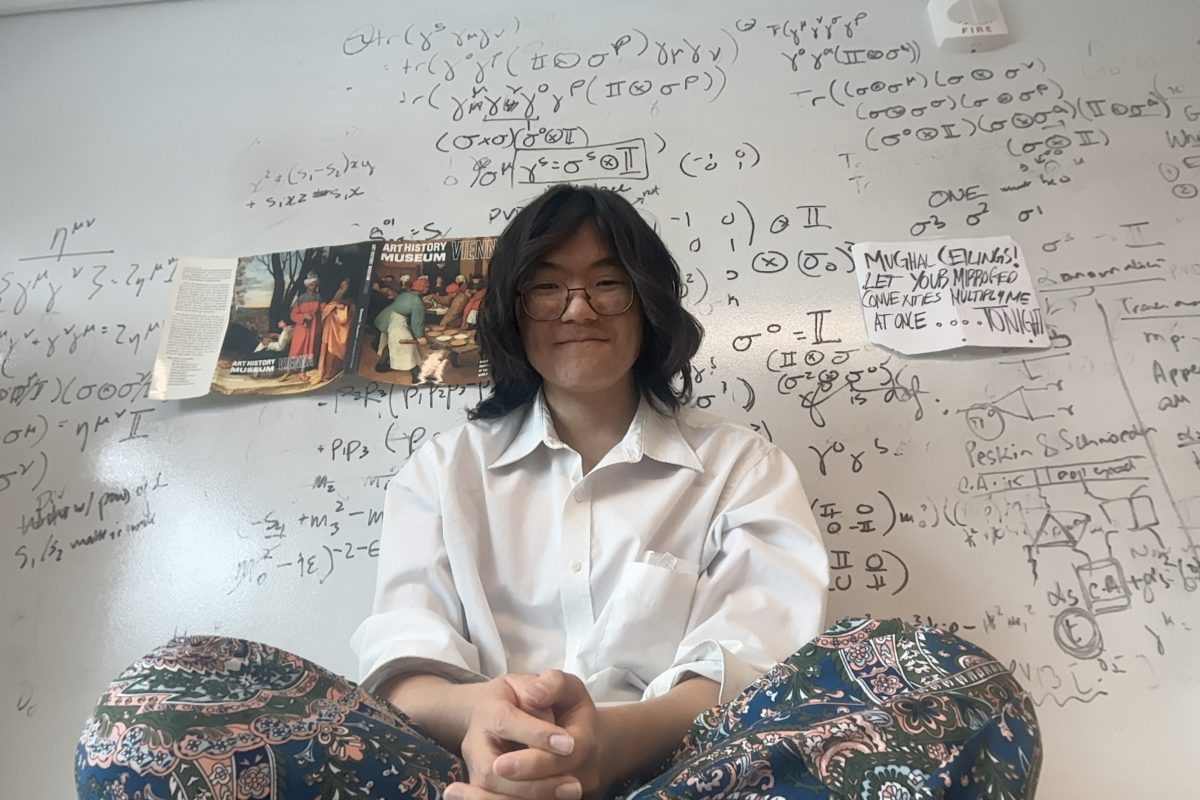
Freshman Physics Major Alex Yi selected for CEU Conference in Philadelphia!
UConn Physics undergraduate Alex Yi has been selected to participate in the Conference Experience for Undergraduates (CEU), where he will present a poster on research carried out in the Bhattacharya Nuclear Theory Group. Alex joined the group in Spring 2026 and continued his research intensively throughout the summer as a recipient of the Mark Miller […]
[Read More]